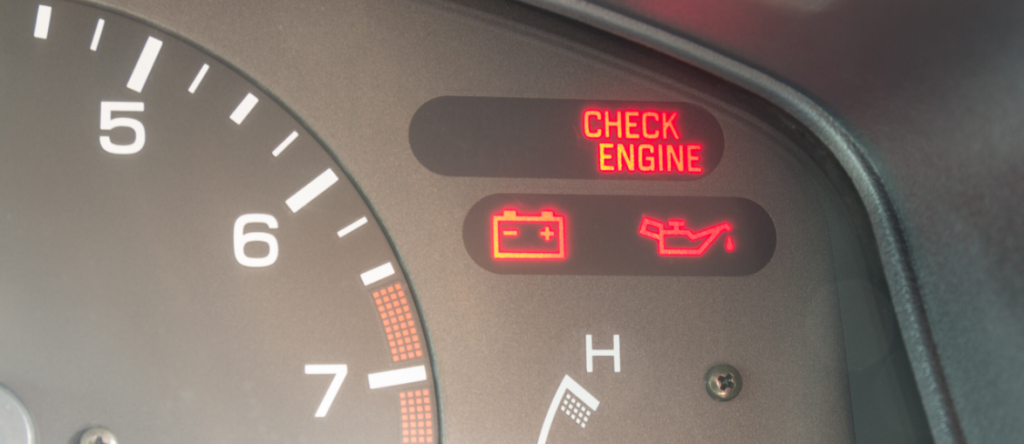






If your Chevy displays an "Engine Power Is Reduced" warning, it means the vehicle has detected a condition that is limiting engine or propulsion performance. You may notice slower acceleration, reduced throttle response, or difficulty maintaining speed. The Chevy engine power reduced warning can have several possible causes, including throttle body problems, faulty sensors, electrical issues, or other engine management concerns. Because the warning can affect your ability to accelerate safely, it should never be ignored.
For Chevrolet owners around Sumner, Bonney Lake, Edgewood, and Auburn, an unexpected reduction in engine power can be especially concerning when merging onto Highway 167 or navigating busy traffic. Understanding what the warning means, which symptoms require immediate attention, and how technicians diagnose the underlying problem can help you make safer decisions about your vehicle.
Quick Answer: What Does "Engine Power Is Reduced" Mean on a Chevy?
The message indicates that your Chevrolet has reduced available engine or propulsion power. Depending on the underlying problem, the vehicle may limit acceleration or maximum speed. This can happen when the engine control system detects a condition that requires protective action or cannot confidently control normal performance.
What should you do? If you experience a significant loss of acceleration, feel unsafe in traffic, or notice additional serious warnings, pull over when it is safe and arrange assistance. If the vehicle operates normally, consult your owner's manual and arrange prompt service. Persistent or recurring warnings require professional diagnosis.
Why Does My Chevy Go Into Reduced Engine Power Mode?
Modern Chevrolet vehicles use electronic control systems to monitor engine operation, fuel delivery, throttle response, and numerous other functions.
Sensors send information to control modules, which use that data to manage the engine and respond to driver inputs. If the system detects certain malfunctions or operating conditions, it may limit available power.
Drivers sometimes refer to this as "limp mode" because the vehicle may continue operating with restricted performance. However, the behavior and severity depend on the Chevrolet model and the specific fault.
Reduced engine power does not automatically mean the engine itself has failed. The warning can be triggered by problems involving sensors, electrical circuits, throttle controls, or other components.
Because several different faults can produce similar symptoms, identifying the actual cause requires appropriate diagnostic testing.
Common Causes of the Chevy Engine Power Reduced Warning
The exact cause varies by vehicle model, model year, engine, and operating conditions. The following are several potential problems a technician may investigate.
1. Electronic Throttle Body Problems
The throttle body regulates airflow entering the engine. In modern gasoline-powered Chevrolet vehicles, an electronic throttle control system manages throttle opening based on driver input and engine operating needs.
If the system detects an issue with throttle operation or receives inconsistent sensor information, it may reduce engine power.
Possible symptoms include:
- Delayed response when pressing the accelerator pedal.
- Reduced acceleration or limited engine power.
- Unstable or rough engine idling.
- A check engine light appearing alongside the reduced power message.
These symptoms do not necessarily mean the throttle body needs replacement. Problems involving wiring, sensors, or other related components may produce similar results.
2. Accelerator Pedal Position Sensor Problems
Many modern Chevrolet vehicles use electronic accelerator pedal sensors rather than a traditional mechanical throttle cable.
These sensors help communicate how much acceleration the driver is requesting to the vehicle's engine control system.
If the sensors send inconsistent signals or the control system detects a problem with the associated circuitry, the vehicle may limit throttle response.
Drivers may experience sluggish acceleration, inconsistent response to the gas pedal, or an engine power warning.
Professional testing can help determine whether the issue involves the sensor, wiring, connections, or another component in the system.
3. Electrical Connections and Wiring Faults
Engine management systems rely on electrical connections between sensors, actuators, and control modules.
Damaged wiring, poor ground connections, corrosion, or intermittent electrical faults can interfere with those signals.
These issues may be especially difficult to identify when symptoms appear occasionally rather than during every drive.
A vehicle might operate normally for several trips before the warning returns.
Rather than replacing components based only on the dashboard message, a technician can evaluate the affected electrical circuits and connections.
4. Engine Sensors and Airflow Management
Chevrolet engines use a variety of sensors to monitor operating conditions and help regulate performance.
Depending on the engine design, these may include sensors related to intake pressure, airflow, throttle position, and other engine parameters.
Incorrect readings, sensor failures, or related system problems can sometimes contribute to reduced performance.
Some turbocharged engines may also experience power limitations when the engine management system detects certain boost control problems.
The relevant systems differ between Chevrolet models, so accurate diagnosis requires vehicle-specific information.
5. Other Engine or Mechanical Problems
Reduced engine power may also occur in connection with other problems affecting engine operation.
Depending on the vehicle, these may involve fuel delivery, operating temperatures, engine protection systems, or other mechanical and electronic concerns.
For example, certain engine protection conditions may limit performance to help prevent additional damage.
This is why a reduced engine power warning should be treated as a symptom requiring investigation rather than a diagnosis of one specific part.
What Are the Warning Signs of Reduced Engine Power?
Some drivers notice the dashboard message before experiencing any obvious performance change. Others immediately notice that their Chevrolet drives differently.
| Symptom | What It May Mean | Recommended Response |
|---|---|---|
| Sluggish acceleration | The vehicle may be limiting engine power or throttle response. | Avoid demanding driving. Pull over safely if acceleration is insufficient for traffic. |
| Check engine light | The engine management system has detected a malfunction. | Arrange prompt diagnostic service. A flashing light or severe symptoms require greater urgency. |
| Rough idle or shaking | The engine may be experiencing an operating or control problem. | Stop safely if severe, worsening, or accompanied by major power loss. |
| Limited vehicle speed | Available propulsion power may be restricted. | Do not continue driving where normal acceleration is needed for safety. |
| Intermittent warning | The underlying fault may occur only under certain conditions. | Schedule diagnostics even if the message disappears. |
Can You Drive a Chevy With the "Engine Power Is Reduced" Warning?
Whether you can safely continue driving depends on how the vehicle is behaving and what other warnings appear.
Chevrolet owner documentation explains that a reduced engine power message can affect acceleration and maximum speed. Some models may be driven to a destination if no performance reduction is noticeable, but the warning still requires attention.
However, a substantial loss of acceleration can make it difficult to merge, enter intersections, or maintain a safe speed in traffic.
If your Chevrolet cannot accelerate adequately for current road conditions, do not attempt to continue driving normally.
When Should You Stop Driving and Get Assistance?
Find a safe place to pull over and arrange professional assistance if you notice:
- Severe loss of acceleration: The vehicle cannot maintain a safe speed for traffic.
- Significant shaking or rough running: The engine runs unusually poorly or appears to be misfiring severely.
- Engine overheating: A high-temperature warning, steam, or other signs of overheating appear.
- Low oil pressure warning: The dashboard displays a serious engine oil pressure warning.
- Multiple serious warnings: Additional alerts or sudden changes in vehicle operation suggest a more significant problem.
If you cannot determine whether your Chevrolet is safe to drive, contact roadside assistance and consider towing it to a qualified service facility.
For drivers traveling along Highway 167, Highway 410, or other busy roads near Sumner and Auburn, unexpected acceleration problems can present a serious hazard.
Safety should take priority over trying to reach a service appointment without assistance.
Why Does the Check Engine Light Sometimes Come On With Reduced Engine Power?
The check engine light, also called the Malfunction Indicator Lamp, appears when the vehicle detects certain engine or propulsion system faults.
Because some of these faults can affect normal engine operation, the check engine light and reduced power message may appear together.
However, the two warnings do not always appear at the same time.
Depending on the fault, the vehicle may store diagnostic information even if the dashboard warning is intermittent.
A check engine light that remains illuminated calls for service. A flashing check engine light, particularly with rough engine operation, requires more urgent attention because it may indicate a condition capable of causing additional damage.
Why Diagnostic Trouble Codes Matter
One of the most important steps in diagnosing a reduced engine power warning is retrieving stored diagnostic trouble codes, or DTCs.
Modern vehicles monitor engine and electrical system activity. When certain faults are detected, control modules may store codes and other relevant information.
A diagnostic scan tool allows a technician to retrieve that information and identify which systems require further testing.
Does a Trouble Code Tell You Which Part to Replace?
Not necessarily. A trouble code identifies a detected condition or system concern, but it does not always identify a failed component.
For example, certain throttle position correlation codes can relate to differences between sensor signals. The underlying cause may involve a sensor, wiring, connections, or another component.
Some Chevrolet service bulletins even identify specific diagnostic and repair procedures that should be followed rather than immediately replacing an entire throttle body assembly.
The correct repair depends on the exact model, engine, fault codes, and testing results.
Why Technicians Check More Than the Code
A professional diagnostic process may include reviewing:
- Current, pending, or stored diagnostic trouble codes.
- Freeze-frame data showing conditions when certain faults were detected.
- Live sensor readings and control module information.
- Electrical wiring and connector condition.
- Applicable manufacturer service information and technical bulletins.
- Results from additional mechanical or electrical tests.
This process helps avoid unnecessary part replacement and supports a more accurate repair recommendation.
What Should You Do When the Reduced Engine Power Message Appears?
If your Chevy displays the warning while driving, focus first on safety. Avoid attempting roadside repairs or troubleshooting while the vehicle is moving.
- Pay attention to how the vehicle responds. Notice whether acceleration feels different, the engine runs roughly, or the vehicle struggles to maintain speed.
- Move to a safe location if necessary. If power loss affects your ability to drive safely, pull over when it is safe and arrange assistance.
- Check for other dashboard warnings. Take note of check engine, temperature, oil pressure, or other warning indicators. Follow your owner's manual for any urgent alerts.
- Record the symptoms. Note when the warning appeared, whether the vehicle was accelerating or idling, and whether the problem has happened before.
- Arrange professional diagnostics. If the warning persists or returns, schedule service so the underlying problem can be investigated.
Do not repeatedly accelerate the engine to test the problem or continue driving in situations where reduced power creates a safety risk.
Avoid clearing diagnostic trouble codes or disconnecting the battery simply to remove the message. Doing so may erase useful diagnostic information without correcting the underlying fault.
Will Restarting My Chevy Fix Reduced Engine Power?
Sometimes a dashboard warning may disappear after the vehicle is shut off and restarted. However, that does not necessarily mean the original problem has been corrected.
Intermittent faults can occur only under particular conditions, including certain temperatures, engine loads, or electrical operating conditions.
Even if the vehicle appears to return to normal operation, a recurring engine power warning should still be diagnosed.
In particular, drivers should not repeatedly restart a vehicle to bypass an unresolved warning or continue a trip when serious symptoms are present.
How Chevrolet Certified Service Diagnoses Reduced Engine Power
The right approach to an engine power warning starts with understanding the vehicle's symptoms and retrieving relevant diagnostic information.
Depending on the issue, Chevrolet Certified Service technicians may inspect electronic throttle components, engine sensors, electrical connections, and other systems associated with the stored faults.
Diagnostic testing helps determine whether the vehicle requires a component repair, electrical correction, or another service.
At Sunset Chevrolet's Certified Service Department , drivers can arrange Chevrolet maintenance, inspections, and professional vehicle diagnostics in Sumner, WA.
The dealership's service team can help evaluate engine performance concerns and recommend appropriate next steps based on the vehicle's condition.
When Should You Schedule Chevrolet Engine Diagnostics?
Some engine management faults may appear intermittently, making it tempting to delay service once the vehicle seems normal again.
However, you should arrange diagnostic service promptly if:
- The "Engine Power Is Reduced" message remains on the dashboard.
- The warning returns after disappearing.
- Your Chevrolet has noticeably slower acceleration or inconsistent throttle response.
- The check engine light appears along with performance problems.
- The engine idles roughly, hesitates, or behaves unusually.
- You suspect an intermittent electrical or engine control issue.
If the vehicle is unsafe to operate, arrange towing or roadside assistance instead of driving it to the dealership.
Frequently Asked Questions About Chevy Reduced Engine Power
What causes the "Engine Power Is Reduced" warning on a Chevy?
Possible causes include electronic throttle control problems, accelerator pedal position sensor faults, damaged wiring, engine sensor issues, or other engine management concerns. The exact cause requires appropriate diagnostic testing.
Can I drive my Chevy when it says "Engine Power Is Reduced"?
Some Chevrolet owner manuals indicate that limited driving may be possible if performance remains normal. However, significant acceleration loss can create a safety hazard. Pull over safely if the vehicle cannot maintain appropriate speed or control, and arrange assistance when needed. Persistent or recurring warnings require service.
Does reduced engine power mean my Chevy needs a new throttle body?
No. Although throttle control problems can trigger reduced power warnings, similar symptoms may result from sensors, electrical connections, wiring, or other faults. Replacing the throttle body without diagnosis may not solve the problem.
Why does my Chevy lose power when I press the gas pedal?
If the engine management system detects certain faults, it may restrict throttle response or available engine power. Drivers may notice hesitation, slower acceleration, or difficulty maintaining speed. Professional diagnostics can help determine the cause.
Will the reduced engine power warning go away on its own?
The warning may disappear if an intermittent condition is no longer present. However, the underlying problem may remain. If the message returns or performance changes, arrange service rather than assuming the issue is resolved.
Can a Chevy show reduced engine power without a check engine light?
Yes. Depending on the vehicle and underlying condition, a reduced power message may appear without a continuously illuminated check engine light. Relevant diagnostic information may still be available to a technician.
Where can I schedule Chevrolet engine diagnostics near Bonney Lake or Auburn?
Sunset Chevrolet in Sumner, WA, offers Chevrolet Certified Service and vehicle diagnostics for drivers from Bonney Lake, Edgewood, Auburn, and surrounding communities. You can schedule a Chevrolet service appointment online or contact the service department to explain your vehicle's symptoms.
Schedule Chevrolet Engine Diagnostics at Sunset Chevrolet in Sumner
An "Engine Power Is Reduced" warning can be frustrating, especially when your Chevrolet suddenly responds differently during normal driving. While the problem may involve a sensor or electrical component, the warning can also indicate a more significant engine management concern.
Rather than guessing which part needs replacement, professional diagnostic testing can help identify the underlying cause and appropriate repair.
Sunset Chevrolet provides Chevrolet engine diagnostics in Sumner, WA for drivers from Bonney Lake, Edgewood, Auburn, and nearby South Puget Sound communities.
Our Chevrolet Certified Service experts can help investigate engine performance concerns and explain recommended service based on your vehicle's condition.
Before your appointment, you can also review current Chevrolet service and parts specials to check whether any available offers apply to your visit.
This article provides general educational information and is not a substitute for professional vehicle diagnosis or your Chevrolet owner's manual. Warning messages, diagnostic procedures, and vehicle behavior vary by model, model year, and powertrain. Do not continue driving a vehicle that cannot be operated safely. Follow manufacturer instructions and arrange qualified service or roadside assistance when necessary.